NEKO HEALTHProduct EngineeringApplication / Alex Kostyniuk
Good afternoon,
Neko Health.
I look for the architectural change that makes something ten times better rather than ten percent, and I have the receipts for it. Member-facing software is where that discipline actually shows.
Lead Software Engineer · Full-stack · Stockholm
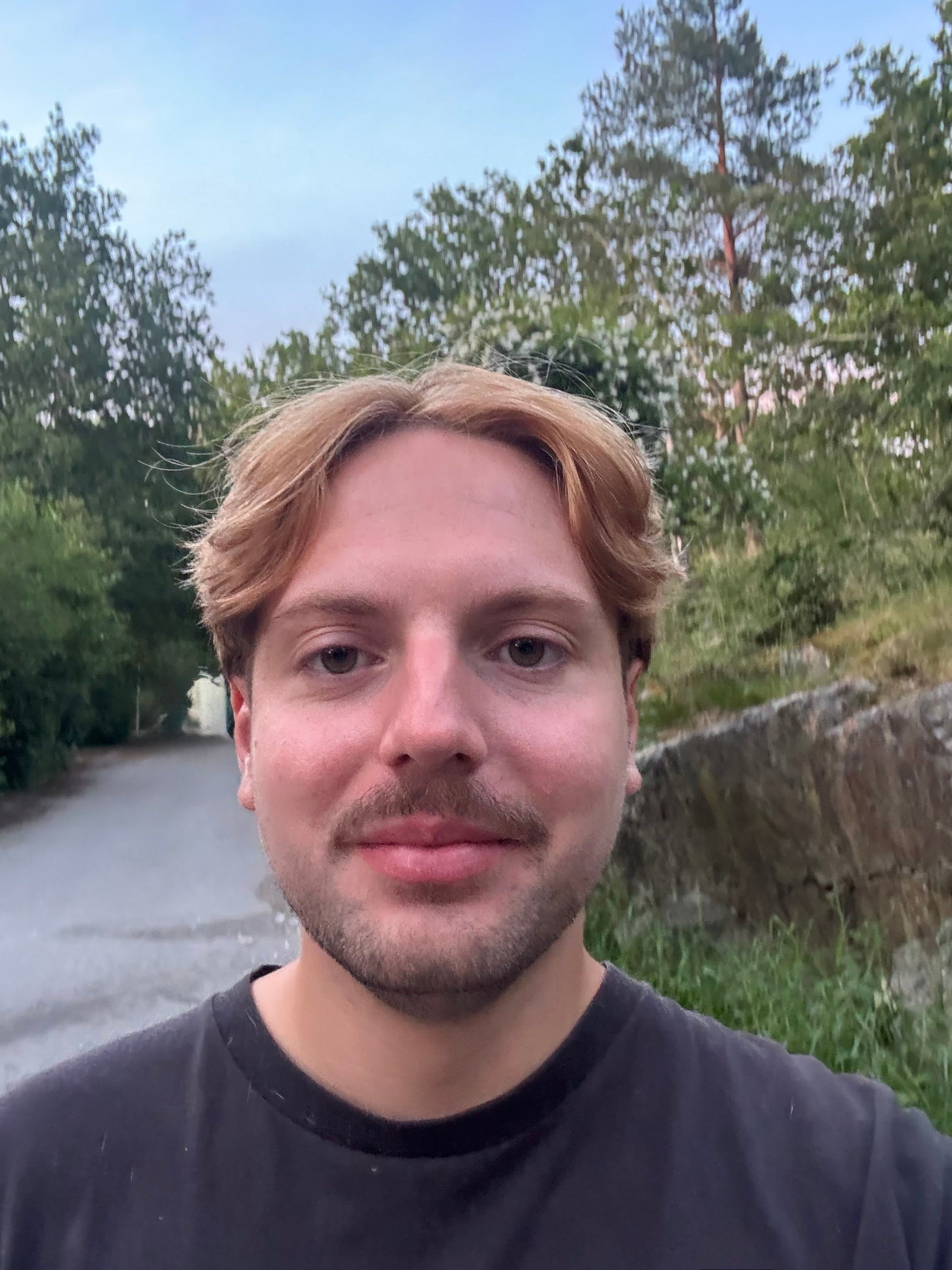
Member 001 / Candidate
Body scan
00:47:12
Heart and circulation
Rhythm, pressure, stiffness
In range
Bloodwork
Lipids, glucose, inflammation
In range
Skin
Full-body mapping
Reviewed
Eyes and metabolism
Retina, body composition
In range
Thousands of data points, one visit, before symptoms.
DoneWhy we're a strong match
Your first 6 to 12 months, my read
Member first
First 3 months
Fully ramped and owning a slice of Member Experience, with work in front of real members rather than in a branch.
By 6 months
An end-to-end feature architected and delivered, plus the reliability work that keeps it safe when a clinic is busy.
By 12 months
AI-first workflows normal for the team, and one automation that removes a class of work instead of trimming it.
Why Neko Health should hire me
Why I want to join Neko Health
How I work.
I start with either a problem to solve or a business idea. I shape it around customer needs and technical realities, and look for a solution that can serve many customers instead of just one. Once the core is clear, I work with Design team on the experience, break it down into a focused story, and leave it ready for a developer or me to build.
How I develop features
- 01
Start with an agent
I always work with an agent. For bigger features or bugs that aren't obvious at first, I use specific skills to help it focus. For smaller tasks, I explain what needs doing and jump in.
- 02
Scope the solution
When the work needs a plan, I turn it into a detailed spec, including edge cases and what done looks like.
- 03
Implement with agents
Once the task is clear, I let one or more agents build the feature.
- 04
Create feedback loops
Browser Use, types, and tests help the agents see what they built and catch their own mistakes.
- 05
Check manually
I still open the feature and use it myself, from start to finish.
- 06
Run an agent review
I ask fresh agents to review the work and catch anything the first ones missed.
- 07
Review the code
Then I read the diff myself and fix whatever is left.
- 08
Babysit the PR
Finally, an agent watches CI and review comments until the PR is ready to merge.
The result is a feature that has been planned, built, checked, and reviewed from a few different angles, usually in much less time.
NEKO HEALTHProduct Engineering
Let's make prevention the normal way to stay well.
Neko Health × AlexContinue to my portfolio